Every new-construction buyer hits the same fork: grab a quick move-in home the builder has already finished, or pick a homesite and build from dirt. Neither is universally better — but in 2026’s incentive environment, the scales tip differently than most buyers expect. Here’s the honest comparison, using real numbers from Hampton Lakes.
Key Takeaways
- Quick move-in homes close in 30–45 days and carry the richest incentives — reduced pricing, closing-cost credits, rate buydowns.
- To-be-built wins on homesite choice (corner lots, golf and water views) and design selection, at the cost of 8–12+ month timelines.
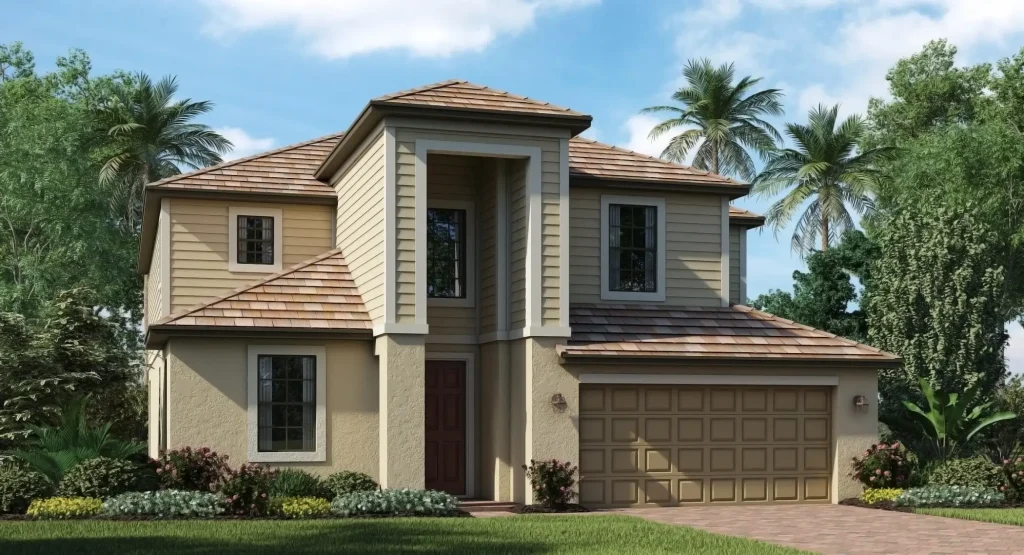
- This week’s featured Carson shows the inventory math: $324,947 (was $342,947) plus $15,000 closing costs plus financing help.
- Nearly-complete homes split the difference and often sell through agent channels before they ever hit listing sites.
- Hire your own inspector either way — and calendar the 11-month warranty walkthrough.
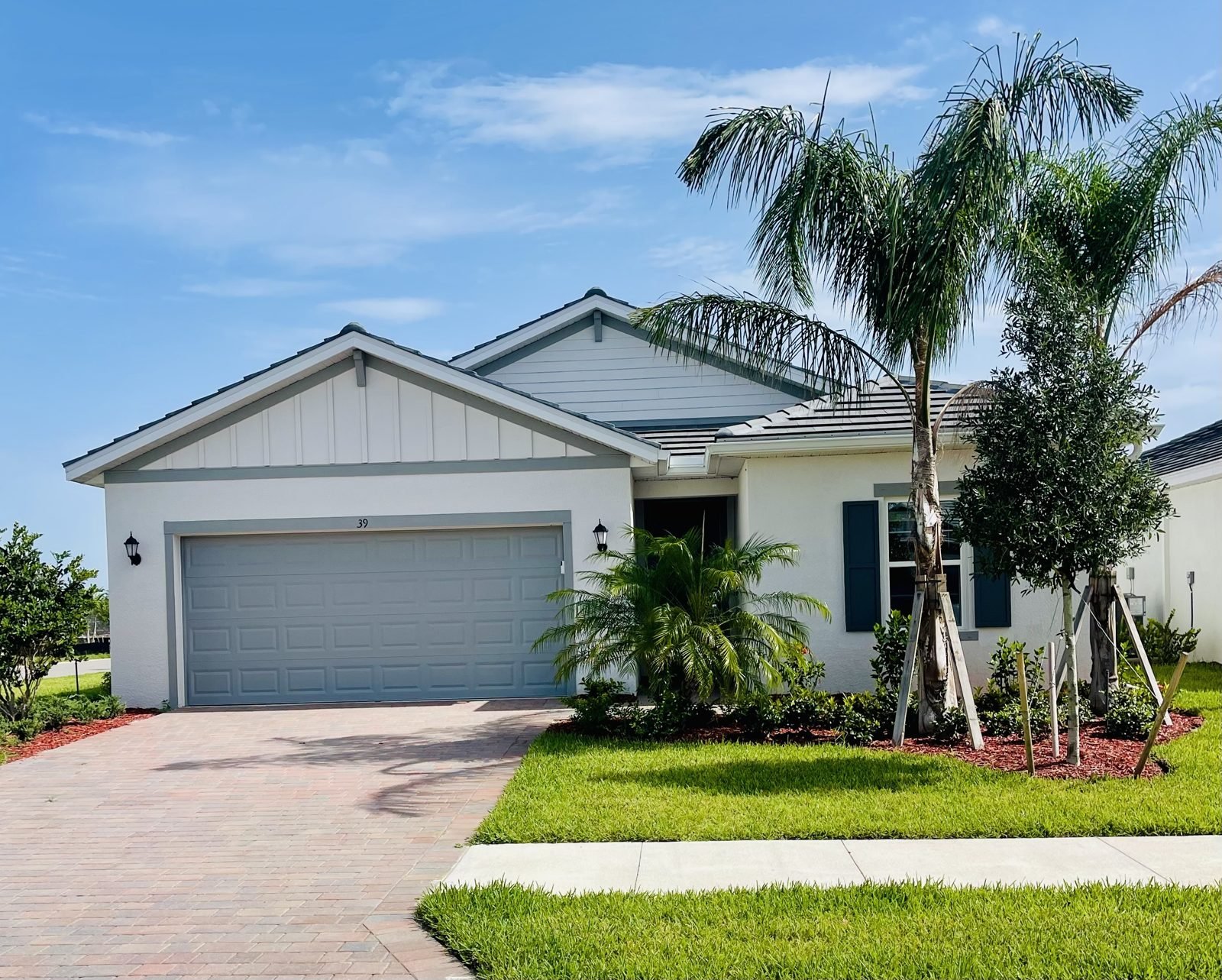
The case for quick move-in
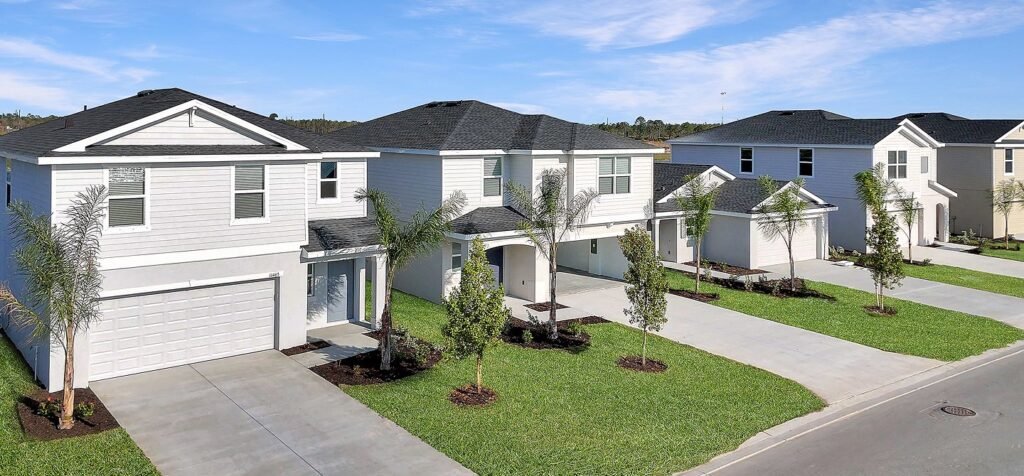
Speed: completed homes can close in 30–45 days — decisive if you’re relocating for work, timing a lease, or selling another home. Price certainty: what you see is finished; no surprises between contract and closing. Incentive concentration: builders attach their richest offers to standing inventory because carrying finished homes costs them money. Right now that means reduced pricing (this week’s featured Carson: $324,947, down from $342,947), up to $15,000 in closing costs, promotional rate buydowns through Lennar Mortgage, and the $9,180-value Signature Design Upgrade Package already installed in select homes. Reality-testing: you walk the actual rooms, on the actual homesite, at the actual time of day the sun hits the lanai.
The case for to-be-built
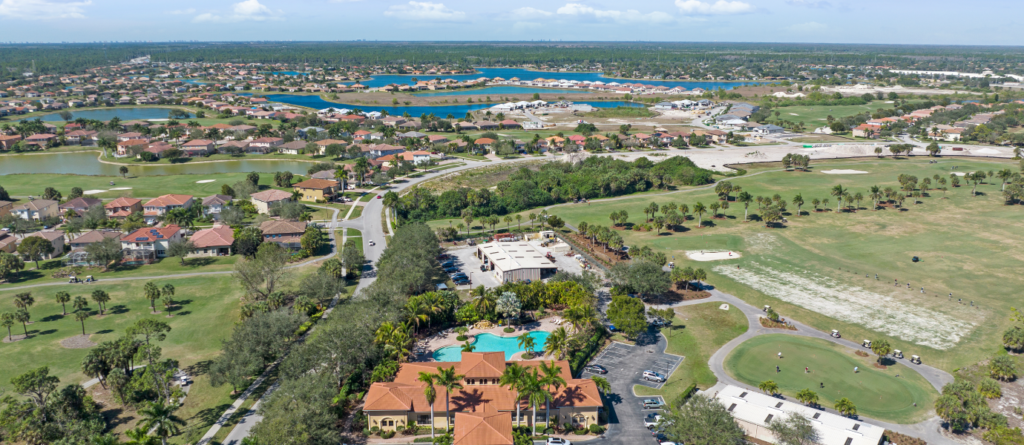
Choice: pick the plan, elevation, and — crucially — the homesite. Corner lots, preserve views, and golf frontage at River Hall Country Club go to buyers willing to wait for them. First-owner everything: you set the warranty clocks from day one. Budget staging: deposits now, mortgage later, which suits buyers selling a current home on a longer runway. The trade: 8–12+ month timelines, rate uncertainty between contract and closing (mitigable with extended locks), and incentives that are usually thinner than on inventory homes.
The 2026 tiebreakers
Three questions settle it for most buyers. When must you be in? Under six months means quick move-in, full stop. Is a specific view worth waiting for? If a golf-course sunset is the point of moving, build for it. Which incentives actually apply? This is where buyers leave money on the table — offers differ home by home, week by week. A move-in ready home with a rate buydown can carry a lower monthly payment than a to-be-built at a nominally lower price.
A third path: nearly-complete
Homes 60–90 days from completion split the difference — some finish flexibility gone, but timelines short and inventory incentives often intact. These rarely appear in online listings before they sell; they move through agent channels and sales-office allocation. It’s a good reason to have someone watching the pipeline for you.
Resale timing: which path ages better?
Buyers rarely ask which path resells better, but the data leans instructive: early-phase to-be-built buyers in appreciating corridors often capture the most paper gain as later phases open higher — while quick move-in buyers in incentive-rich moments effectively purchase below the neighborhood’s reset comps, banking equity at closing. In other words, both paths can win; what loses is overpaying for the middle — a to-be-built at full price with thin incentives in a month when finished inventory carried rich ones. Timing the incentive calendar is the whole game, and it changes monthly.
The financing wrinkle most buyers miss
Timeline choice is also a financing choice. Quick move-in buyers lock rates on normal 30–60 day horizons and can capture today’s promotional buydowns with certainty. To-be-built buyers face a gap of many months between contract and closing — manageable with extended rate locks (ask about terms and float-down provisions), but those locks carry costs and conditions. In a volatile rate environment, the certainty premium of finished inventory is real money: a promotional rate available today on a completed home may simply not exist when a to-be-built closes next spring. Our rate buydown guide covers the mechanics.
Inspections still matter on new homes
Either path, hire your own inspector — yes, on brand-new construction. For quick move-ins, a pre-closing inspection catches punch-list items while the builder’s crews are still on-site and motivated. For to-be-built, consider phased inspections (pre-drywall and final) that see what finished walls hide. Builders here accommodate independent inspections routinely; the few hundred dollars buys documentation, leverage, and peace of mind. Pair it with the 11-month warranty walkthrough and you’ve covered the home’s first year properly.
Negotiation dynamics differ by path
Builders defend base prices fiercely on to-be-built homes — every discount reprices the neighborhood’s comps. Standing inventory is different: carrying costs accumulate daily, quarter-end targets loom, and incentives concentrate accordingly. That’s why the featured Carson carries a five-figure price reduction plus closing costs plus financing help — a stack no to-be-built contract here would match this month. The skill is knowing which homes have motivated timelines behind them, which is precisely the intelligence a community specialist trades in.
Ready to see it in person?
Model homes are open daily at River Hall and Hampton Lakes, and our local team tours buyers every week — at no cost to you, ever. Browse the current move-in ready homes, check this week’s featured home and incentives, or schedule a private tour. Questions? Call or text (239) 208-0906.
Are quick move-in homes cheaper than building?
Often, once incentives are counted — builders concentrate price reductions, closing-cost credits, and financing promotions on completed inventory. Compare total monthly cost, not just list price.
How fast can I close on a move-in ready home at Hampton Lakes?
Completed homes commonly close in 30–45 days, subject to financing. Cash purchases can move faster.
Do I give up quality buying a spec home?
No — inventory homes are built to the same plans, codes, and warranties as to-be-built homes. You give up selection, not construction quality, and you gain the ability to inspect the finished product before buying.
Further reading
On our Southwest Florida hub: what happens between contract and keys, and whether to inspect a brand-new house.